Wednesday, 7 November 2012

Dental Hygenist

Dental Hygenist

Anavelle is a Registered Dental Assistant. She received her Dental Assisting education from the University of Texas Dental Branch in 2008. Anavelle's first experience in dentistry was in pediatrics in Katy, TX. She continues to work with many of our young patients in general and orthodontic dentistry. She is also certified in Nitrous Oxide monitoring and CPR/BLS training. Anavelle has continued to expand her dental knowledge each year by taking CE courses. Anavelle is also bilingual and has been a great addition to helping our Spanish speaking patients.

Dental Hygenist

Dental Hygenist

Dental Hygenist

Dental Hygenist
Dental Hygenist

Dental Hygenist

Dental Hygenist

Dental Hygenist

Dental Hygenist

Dental Hygenist
Dental Hygenist

Dental Hygenist

Dental Hygenist


Flipper Teeth

Flipper Teeth

Inexpensive false teeth for into the jaws like a partially denture are called flipper teeth. The false teeth are made beyond acrylic and attached to a polymer resin base. Since the flipper teeth are involving lesser top quality than a conventional partial denture, they are not considered a permanent solution to the teeth replacement.
A flipper the teeth is used before person can afford to get a permanent tooth alternative like a dentistry bridge, part denture, or tooth implant. The fake the teeth of the flipper could be made of plastic or ceramic. Since the total apparatus is generally made from plastic, the flipper isn’t as strong since traditional false teeth.

Flipper Teeth


Flipper Teeth

Flipper Teeth

Flipper Teeth

Flipper Teeth

Flipper Teeth

Flipper Teeth

Flipper Teeth

Flipper Teeth

Flipper Teeth

Flipper Teeth

Flipper Teeth

Flipper Teeth


Amalgam Fillings

Amalgam Fillings

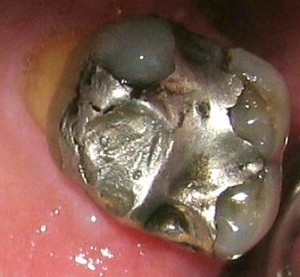
Mercury fillings (the silver gray or black fillings that millions of people have in their mouths) are highly toxic, and in my opinion should immediately be banned. Mercury amalgam fillings are responsible for many serious and apparently chronic diseases.

Some people are more susceptible than others to the effects of mercury poisoning, and experience dramatic improvements in their health after the removal of their mercury amalgam fillings. For others like myself, there was little effect.
The amount of mercury that goes into the average mercury amalgam tooth filling is sufficient to kill you if it was taken all at once. Approximately 50% of an amalgam filling is mercury. 25-30% is silver, and the remainder is usually zinc and tin. An amalgam filling will leak mercury vapour over many years. The specific sicknesses mercury causes are extremely variable with each individual person. Research over decades has proven mercury can be the cause of degenerative diseases such as inflammation, heart disease, arthritis, bone spurs, birth defects, mental depression, headaches, migraines, insomnia, irritability, hallucinations, memory loss, Alzheimer's disease, tremors (shakes), kidney diseases (nephritis), skin diseases such as dermatitis and eczema, loosening of the teeth, pain and numbness in the extremities (multiple sclerosis symptoms) and many others.
White composite fillings are only slightly more expensive than mercury amalgam fillings, but require more skill. If your dentist argues that white composite fillings are too weak and short-lived to use, find another dentist. Composite fillings performed by a skilled dentist will last as long as any others. I personally feel that a dentist who is not capable of doing composite fillings should not be allowed to practice.
If you and your dentist decide to go ahead with a mercury amalgam filling, I suggest you ask your dentist for a written and signed conformation that mercury amalgam fillings are safe and will not harm you.

Amalgam Fillings

Amalgam Fillings

Amalgam Fillings

Amalgam Fillings

Amalgam Fillings

Amalgam Fillings

Amalgam Fillings

Amalgam Fillings

Amalgam Fillings

Amalgam Fillings

Amalgam Fillings

Amalgam Fillings


Teeth Cleaning

Teeth Cleaning

 At a minimum, the American Dental Association recommends that you brush your teeth twice a day; one time should be before sleep. But if you snack and drink throughout the day, it may be helpful to brush your teeth more often.

When you brush your teeth, you help remove plaque — a sticky film that forms on your teeth because of bacteria in your mouth. The bacteria in plaque causes the two major tooth-related diseases, cavities (dental caries) and gum disease (periodontitis).
It's important to brush your teeth after you eat, because certain food and drinks cause bacteria in your mouth to release acids that are harmful to your tooth enamel. When you eat food or drink beverages containing sugar or starch, the bacteria in your mouth produce acids that can attack your tooth enamel for 20 minutes or more. Choosing nutritious foods that are low in carbohydrates and sugar and drinking plenty of water also can help reduce harmful acid production.
One caveat to brushing after you eat is if you've eaten an acidic food or drink — for example, orange juice. Avoid brushing your teeth for at least 30 minutes after acidic foods and beverages. These acids weaken tooth enamel, and brushing too soon can cause damage to the enamel. If you know you're going to eat or drink something very acidic ahead of time, you may want to brush your teeth first.
Brushing your teeth alone can't remove all of the decay-causing plaque. The American Dental Association also recommends using an antimicrobial mouth rinse plus flossing daily between your teeth to get rid of food particles and minimize plaque and bacteria.

Teeth Cleaning

Teeth Cleaning


Teeth Cleaning


Teeth Cleaning


Teeth Cleaning


Teeth Cleaning

Teeth Cleaning


Teeth Cleaning


Teeth Cleaning


Teeth Cleaning

Teeth Cleaning

Teeth Cleaning


Teeth Cleaning


Gingivitis Treatment

Gingivitis Treatment

Your Gum Issue Will Lead to Bigger Problems, Unless...
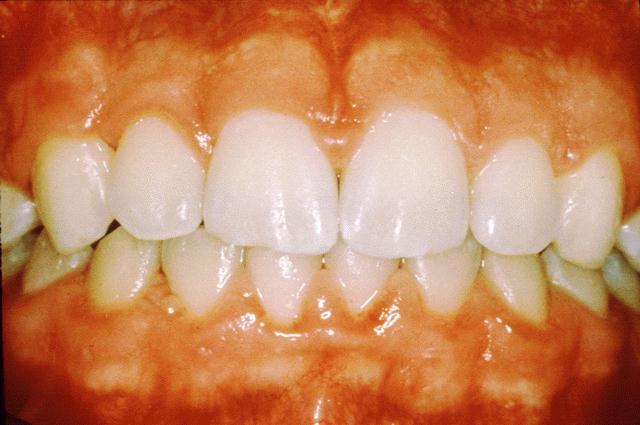
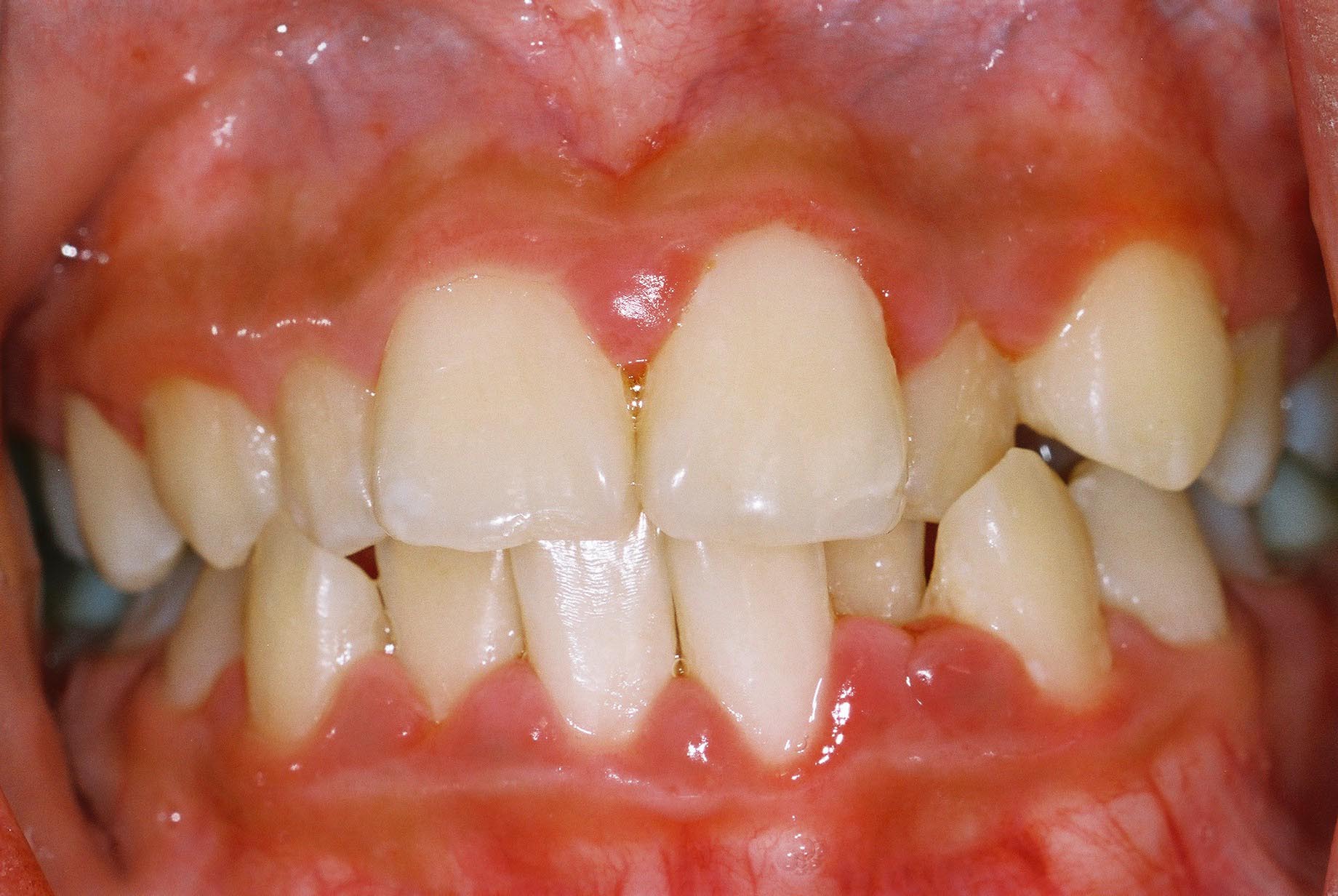
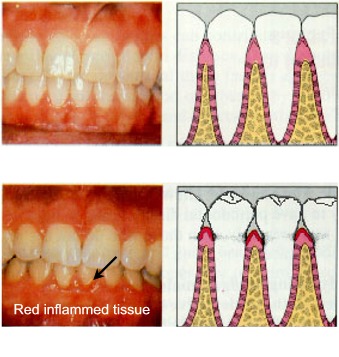
Now you might already know this, by speaking to your dentist or periodontist, but in case you haven't heard...If you suffer from Receding Gums, Gingivitis, Bleeding or Swollen Gums, you're a likely candidate for full-blown Gum Disease. And if nothing changes in your oral health and hygiene, it's very likely that you will eventually lose your teeth, either by having them pulled, or by them falling out on their own, one by one.
Besides that, the other prospects you have to look forward to are even more discouraging, especially if you decide to do nothing at this point. Some of the problems you may have experienced already and others may have yet to occur:

Gingivitis Treatment

Gingivitis Treatment

Gingivitis Treatment

Gingivitis Treatment

Gingivitis Treatment

Gingivitis Treatment

Gingivitis Treatment

Gingivitis Treatment

Gingivitis Treatment

Gingivitis Treatment

Gingivitis Treatment

Gingivitis Treatment

Gingivitis Treatment